

Comfortable. Professional. Award-winning.
TEETH WHITENING
AWARD
WINNING
HYGIENISTS
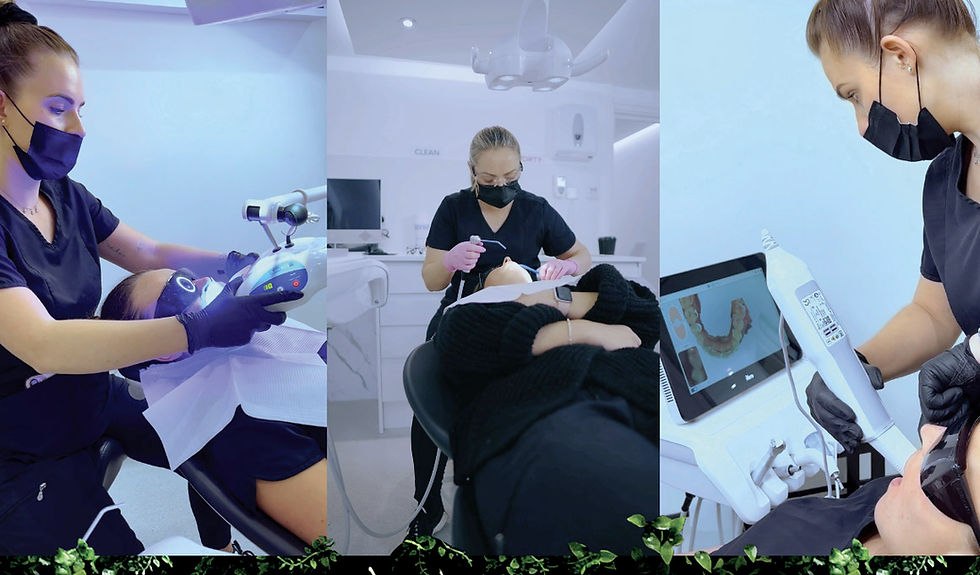
Professional teeth whitening
GUARANTEED RESULTS
Professional teeth whitening with our dentists and hygienists in Essex. Only the best teeth whitening treatments with guaranteed results. We pride ourselves on making it easier than ever before to enhance your smile with our teeth whitening treatments, no hidden costs and minimal visits!


Choose from our In-chair whitening OR custom whitening kit:
IN-CHAIR PROFESSIONAL WHITENING
✔ Quick results
✔ Instantly whiter
✔ 2-3 shades lighter
✔ Whiter smile in just 10 minutes.
CUSTOM WHITENING TRAYS AND GELS
✔ Guaranteed B1 shade results
✔ Whitest natural shade
✔ Best for heavy staining
Recommended for an instant whiter smile immediately after your hygienist appointment.
Recommended if you want the whitest shade possible for your natural teeth.
IN-CHAIR teeth WHITENING
The ultimate, one-day, dental hygiene and whitening appointment.
Combine your Airflow dental hygiene appointment with our in-chair teeth whitening treatment. For any instant whiter smile.
CUSTOM TEETH whitening kit
Comfortable. Professional. Award-winning teeth whitening treatment available in Leigh on Sea, Essex.
Our high-strength formula is safe and easy to use, and guarantees B1 shade results.
Get ready to light up the room with a smile so bright it could outshine the sun! Teeth whitening isn't just about dazzling Hollywood stars on the red carpet; it's your passport to a grin that steals the show in everyday life. Say goodbye to dull, lackluster teeth and hello to a smile that's as vibrant as your personality.
Imagine sipping your favorite coffee without worrying about those stubborn stains or indulging in a glass of red wine without the guilt of potential discoloration. With teeth whitening, you're not just erasing stains; you're reclaiming the freedom to enjoy life's little pleasures without second-guessing your smile.
Whether you're a coffee enthusiast, a red wine aficionado, or simply someone who loves to laugh without reservation, teeth whitening is your secret weapon. It's like giving your teeth a spa day, and who doesn't want their chompers to be pampered and camera-ready?
So, grab your shades because your future is looking brighter – literally! Join us in this journey to a whiter, brighter smile that radiates joy and confidence. Get ready to flash those pearly whites and let the world see the most brilliant version of you!
Is teeth whitening safe?
Teeth whitening is generally considered safe when done under the guidance of a dental professional or by using over-the-counter products as directed. However, there are some considerations and potential risks associated with teeth whitening:
-
Tooth Sensitivity: One common side effect of teeth whitening is increased tooth sensitivity. This is usually temporary and should subside after the whitening process is completed. If you already have sensitive teeth, it's advisable to consult with your dentist before undergoing teeth whitening.
-
Gum Irritation: Whitening products can sometimes irritate the gums. It's important to follow the instructions provided with the product or those given by your dentist to minimize the risk of gum irritation.
-
Overuse and Abuse: Excessive use of whitening products or using them improperly can lead to damage to the tooth enamel and other dental issues. Always follow the recommended usage guidelines and consult with your dentist if you have any concerns.
-
Existing Dental Issues: Teeth whitening may not be suitable for everyone, especially those with existing dental issues such as cavities, gum disease, or worn enamel. In such cases, it's crucial to address these issues before considering teeth whitening.
-
Professional vs. Over-the-Counter: Professional teeth whitening procedures performed by dentists often use higher concentrations of whitening agents and may achieve quicker results. Over-the-counter products are generally milder, and it may take longer to see noticeable results.
-
Pregnancy and Nursing: Pregnant or nursing women are generally advised to avoid teeth whitening procedures, as there is limited research on the safety of whitening agents during these times.
-
Natural Variations: It's important to recognize that tooth color varies among individuals, and not everyone can achieve the same level of whiteness. Results can depend on factors such as the type of staining, the cause of discoloration, and individual variations in tooth structure.
Before undergoing any teeth whitening procedure, it's recommended to consult with a dentist to assess your oral health and determine the most suitable whitening option for you. Additionally, following good oral hygiene practices, such as regular brushing, flossing, and dental check-ups, can help maintain a healthy and bright smile.
How white will my teeth go?
A bright, white smile is often associated with good oral health and aesthetic appeal. Many individuals seek ways to enhance the whiteness of their teeth, leading to a plethora of products and procedures promising a dazzling smile. In this article, we will explore the factors that influence tooth color, popular teeth-whitening methods, and realistic expectations for achieving a brighter, whiter smile.
Understanding Tooth Color:
To understand how white your teeth can go, it's essential to grasp the natural color variations of teeth. The outer layer of the tooth, called enamel, is semi-translucent and can vary in shades from light yellow to gray. The underlying dentin, a more porous tissue, also contributes to tooth color and may have a yellowish hue. Genetics play a significant role in determining the natural color of your teeth.
Factors Influencing Tooth Color:
Several factors can affect the color of your teeth, making them appear more stained or discolored. Common culprits include:
-
Diet: Foods and beverages such as coffee, tea, red wine, and dark-colored fruits can stain teeth over time.
-
Tobacco Use: Smoking or using tobacco products can lead to yellowing of teeth due to the presence of tar and nicotine.
-
Poor Oral Hygiene: Inadequate brushing and flossing can result in the accumulation of plaque and tartar, contributing to discoloration.
-
Age: As we age, the enamel on our teeth naturally wears down, revealing the yellowish dentin underneath.
-
Medical Conditions and Medications: Certain medications and medical conditions can affect tooth color, leading to discoloration or staining.
Teeth-Whitening Methods:
For those seeking a whiter smile, various teeth-whitening methods are available. These can be broadly categorized into two types: professional treatments and over-the-counter products.
-
Professional Treatments: a. In-Office Whitening: Dentists use a high-concentration bleaching agent and specialized light to accelerate the whitening process. b. Take-Home Trays: Customized trays with a bleaching gel are provided by the dentist for use at home over a specified period.
-
Over-the-Counter Products: a. Whitening Toothpaste: Contains abrasive agents and mild bleaching agents to remove surface stains. b. Whitening Strips: Thin, flexible strips coated with a peroxide-based gel are applied directly to the teeth. c. Whitening Gels and Pens: These products are applied using a brush or pen applicator and often contain hydrogen peroxide.
Realistic Expectations:
The effectiveness of teeth-whitening methods varies from person to person. While some may achieve a significantly whiter smile, others may experience more subtle results. Factors such as the severity of discoloration, the chosen whitening method, and individual response to treatment all play a role.
It's crucial to manage expectations and prioritize oral health. Overuse of whitening products can lead to tooth sensitivity and enamel damage. Consulting with a dentist before starting any whitening regimen ensures a personalized approach and minimizes potential risks.
Conclusion:
Achieving a whiter smile involves understanding the factors influencing tooth color, adopting good oral hygiene practices, and exploring appropriate whitening methods. While the goal is to enhance the natural beauty of your teeth, it's essential to maintain realistic expectations and prioritize long-term oral health. Consult with a dental professional to determine the most suitable whitening approach for your individual needs and enjoy the confidence that comes with a brighter, healthier smile.
Does teeth whitening hurt?
Teeth whitening procedures can cause some sensitivity or discomfort for some people, but it generally should not be described as painful. Sensitivity is a common side effect, and it usually occurs during or after the whitening process. The level of sensitivity varies among individuals, and some may experience none at all.
The sensitivity is often temporary and typically resolves on its own within a day or two after the whitening treatment. It's advisable to follow the instructions provided by your dentist or the product you are using, as overusing whitening products can increase the risk of sensitivity.
If you are concerned about potential discomfort, it's a good idea to consult with your dentist before undergoing any teeth whitening procedure. They can provide guidance based on your individual oral health and recommend the most suitable whitening method for you.
How long does teeth whitening last?
The duration of teeth whitening results can vary depending on several factors, including the method used for whitening, individual habits, and lifestyle choices. Here are some general guidelines:
-
Professional Teeth Whitening: If you undergo professional teeth whitening treatments at a dental office, the results can last anywhere from several months to a year or more. However, it may be necessary to touch up the treatment periodically, especially if you consume staining substances like coffee, tea, red wine, or tobacco.
-
At-Home Teeth Whitening Kits: Over-the-counter teeth whitening kits, such as whitening strips or gels, can provide noticeable results. However, the longevity of these results varies. It's common for the effects to last a few months, and regular touch-ups may be needed.
-
Whitening Toothpaste: Whitening toothpaste can help remove surface stains, but the results are generally modest and may not last as long as professional treatments. Consistent use of whitening toothpaste is often required to maintain any improvements.
-
Lifestyle Factors: Your habits and lifestyle choices play a significant role in how long teeth whitening results last. If you regularly consume staining foods and beverages, or if you smoke, the whitening effects may diminish more quickly. Maintaining good oral hygiene practices and avoiding or minimizing stain-causing substances can help prolong the results.
It's important to note that individual responses to teeth whitening can vary, and some people may experience longer-lasting results than others. Additionally, factors such as tooth sensitivity and the health of your teeth and gums should be considered when choosing a teeth whitening method. Consulting with a dentist can help you determine the most suitable approach for your specific situation.